

Plain Dyed
Satin fabric can be made from polyester, wool, cotton, or silk. However, the latter is the best option, with polyester coming in a close second.

Plain Dyed
Satin material has a rich feel and look, but it may be pretty tricky for tailors to work with since it keeps drifting away. Satin is possibly the most popular fabric when it comes to fashionable and beautiful women's clothing

Plain Dyed
Satin fabric can be made from polyester, wool, cotton, or silk. However, the latter is the best option, with polyester coming in a close second.

Plain Dyed
Satin material has a rich feel and look, but it may be pretty tricky for tailors to work with since it keeps drifting away. Satin is possibly the most popular fabric when it comes to fashionable and beautiful women's clothing

Plain Dyed
Satin is the label given to a weave rather than a specific raw material. Satin material is made from low-twist yarn using the twill weaving method.

Plain Dyed
Satin is the label given to a weave rather than a specific raw material. Satin material is made from low-twist yarn using the twill weaving method.

Plain Dyed
Satin is the label given to a weave rather than a specific raw material. Satin material is made from low-twist yarn using the twill weaving method.

Plain Dyed
Satin is "the fabric" that dream dresses are made of due to the sheer beauty of the fabric and the flow of the pleats of the gown. The luxurious Satin fabric is also used to make a variety of accessories

Plain Dyed
Satin is "the fabric" that dream dresses are made of due to the sheer beauty of the fabric and the flow of the pleats of the gown. The luxurious Satin fabric is also used to make a variety of accessories

Plain Dyed
Satin fabric can be made from polyester, wool, cotton, or silk. However, the latter is the best option, with polyester coming in a close second.

Plain Dyed
Satin fabric can be made from polyester, wool, cotton, or silk. However, the latter is the best option, with polyester coming in a close second.

Plain Dyed
Satin material has a rich feel and look, but it may be pretty tricky for tailors to work with since it keeps drifting away. Satin is possibly the most popular fabric when it comes to fashionable and beautiful women's clothing

Plain Dyed
Satin fabric can be made from polyester, wool, cotton, or silk. However, the latter is the best option, with polyester coming in a close second.

Plain Dyed
Satin is the label given to a weave rather than a specific raw material. Satin material is made from low-twist yarn using the twill weaving method.

Plain Dyed
Satin is the label given to a weave rather than a specific raw material. Satin material is made from low-twist yarn using the twill weaving method.

Plain Dyed
Satin material has a rich feel and look, but it may be pretty tricky for tailors to work with since it keeps drifting away. Satin is possibly the most popular fabric when it comes to fashionable and beautiful women's clothing

Plain Dyed
Satin fabric can be made from polyester, wool, cotton, or silk. However, the latter is the best option, with polyester coming in a close second.

Plain Dyed
Satin is the label given to a weave rather than a specific raw material. Satin material is made from low-twist yarn using the twill weaving method.

Plain Dyed
Satin is the label given to a weave rather than a specific raw material. Satin material is made from low-twist yarn using the twill weaving method.

Plain Dyed
Satin is "the fabric" that dream dresses are made of due to the sheer beauty of the fabric and the flow of the pleats of the gown. The luxurious Satin fabric is also used to make a variety of accessories

Plain Dyed
Satin is "the fabric" that dream dresses are made of due to the sheer beauty of the fabric and the flow of the pleats of the gown. The luxurious Satin fabric is also used to make a variety of accessories
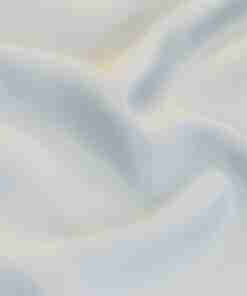
Plain Dyed
Satin is the label given to a weave rather than a specific raw material. Satin material is made from low-twist yarn using the twill weaving method.
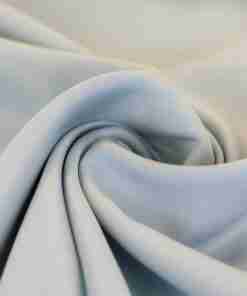
Plain Dyed
Satin is the label given to a weave rather than a specific raw material. Satin material is made from low-twist yarn using the twill weaving method.

Linen naturally keeps you warm during the winter, while its moisture-wicking qualities keep you fresh and cool in the summer. One of the most significant advantages of linen is that it is entirely antimicrobial.

Linen naturally keeps you warm during the winter, while its moisture-wicking qualities keep you fresh and cool in the summer. One of the most significant advantages of linen is that it is entirely antimicrobial.
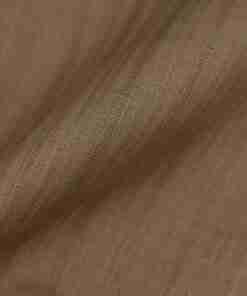
Linen naturally keeps you warm during the winter, while its moisture-wicking qualities keep you fresh and cool in the summer. One of the most significant advantages of linen is that it is entirely antimicrobial.
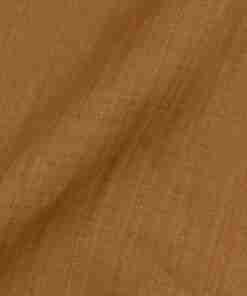
Linen naturally keeps you warm during the winter, while its moisture-wicking qualities keep you fresh and cool in the summer. One of the most significant advantages of linen is that it is entirely antimicrobial.
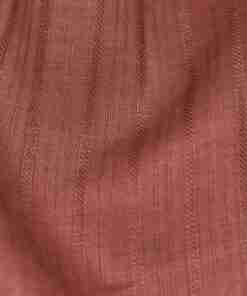
Linen naturally keeps you warm during the winter, while its moisture-wicking qualities keep you fresh and cool in the summer. One of the most significant advantages of linen is that it is entirely antimicrobial.
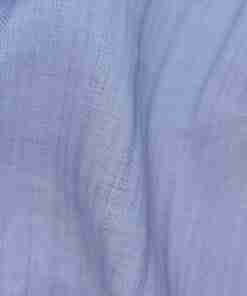
Linen is among the most popular textiles, and it is derived straight from the flax plant. It is a durable, long-lasting, and absorbent cloth

Linen naturally keeps you warm during the winter, while its moisture-wicking qualities keep you fresh and cool in the summer. One of the most significant advantages of linen is that it is entirely antimicrobial.
Linen is among the most popular textiles, and it is derived straight from the flax plant. It is a durable, long-lasting, and absorbent cloth
Linen is among the most popular textiles, and it is derived straight from the flax plant. It is a durable, long-lasting, and absorbent cloth
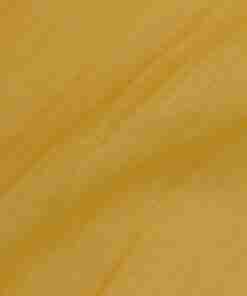
Linen is among the most popular textiles, and it is derived straight from the flax plant. It is a durable, long-lasting, and absorbent cloth

Linen is among the most popular textiles, and it is derived straight from the flax plant. It is a durable, long-lasting, and absorbent cloth

Linen is relatively easy to clean. You may hand-wash your linens or put them in the washing machine whenever you want. There are many kinds of linen fabric available in the market.
Linen is among the most popular textiles, and it is derived straight from the flax plant. It is a durable, long-lasting, and absorbent cloth

Linen is relatively easy to clean. You may hand-wash your linens or put them in the washing machine whenever you want. There are many kinds of linen fabric available in the market.
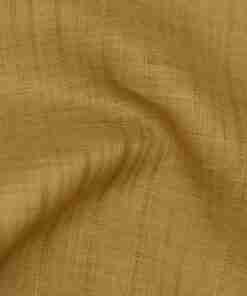
Linen naturally keeps you warm during the winter, while its moisture-wicking qualities keep you fresh and cool in the summer. One of the most significant advantages of linen is that it is entirely antimicrobial.

Linen is relatively easy to clean. You may hand-wash your linens or put them in the washing machine whenever you want. There are many kinds of linen fabric available in the market.
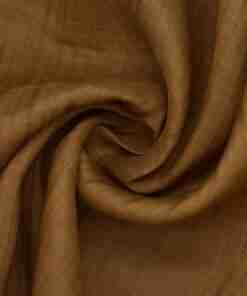
Linen naturally keeps you warm during the winter, while its moisture-wicking qualities keep you fresh and cool in the summer. One of the most significant advantages of linen is that it is entirely antimicrobial.

Linen naturally keeps you warm during the winter, while its moisture-wicking qualities keep you fresh and cool in the summer. One of the most significant advantages of linen is that it is entirely antimicrobial.
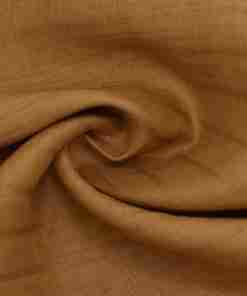
Linen naturally keeps you warm during the winter, while its moisture-wicking qualities keep you fresh and cool in the summer. One of the most significant advantages of linen is that it is entirely antimicrobial.
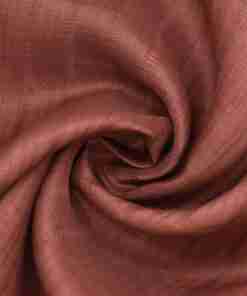
Linen is relatively easy to clean. You may hand-wash your linens or put them in the washing machine whenever you want. There are many kinds of linen fabric available in the market.
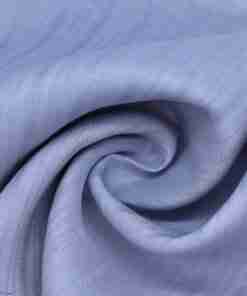
Linen fabric is best defined as a fabric produced from extremely fine fibers obtained from the flax plant. These fibers are removed with care, spun into yarn, and then woven into long sheets of luxurious, long-lasting linen cloth
Linen fabric is best defined as a fabric produced from extremely fine fibers obtained from the flax plant. These fibers are removed with care, spun into yarn, and then woven into long sheets of luxurious, long-lasting linen cloth
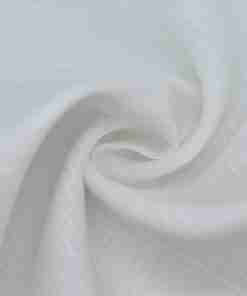
Linen fabric is best defined as a fabric produced from extremely fine fibers obtained from the flax plant. These fibers are removed with care, spun into yarn, and then woven into long sheets of luxurious, long-lasting linen cloth

Linen fabric is best defined as a fabric produced from extremely fine fibers obtained from the flax plant. These fibers are removed with care, spun into yarn, and then woven into long sheets of luxurious, long-lasting linen cloth
Linen fabric is best defined as a fabric produced from extremely fine fibers obtained from the flax plant. These fibers are removed with care, spun into yarn, and then woven into long sheets of luxurious, long-lasting linen cloth
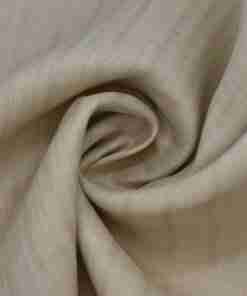
Linen is relatively easy to clean. You may hand-wash your linens or put them in the washing machine whenever you want. There are many kinds of linen fabric available in the market.
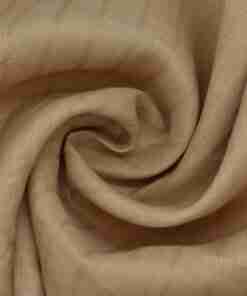
Linen naturally keeps you warm during the winter, while its moisture-wicking qualities keep you fresh and cool in the summer. One of the most significant advantages of linen is that it is entirely antimicrobial.

Linen is among the most popular textiles, and it is derived straight from the flax plant. It is a durable, long-lasting, and absorbent cloth

Linen is among the most popular textiles, and it is derived straight from the flax plant. It is a durable, long-lasting, and absorbent cloth
Linen is among the most popular textiles, and it is derived straight from the flax plant. It is a durable, long-lasting, and absorbent cloth
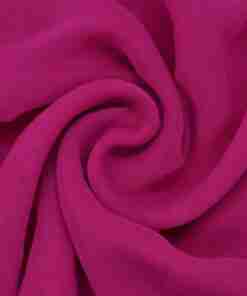
Chiffon
The printed fabric is trendy and used in clothing for different purposes. It can be used in Indian suits and saree, flowy gowns and shirts, skirts, and summer dresses

Lining
Lining

Lining

Lining

Lining
Lining