
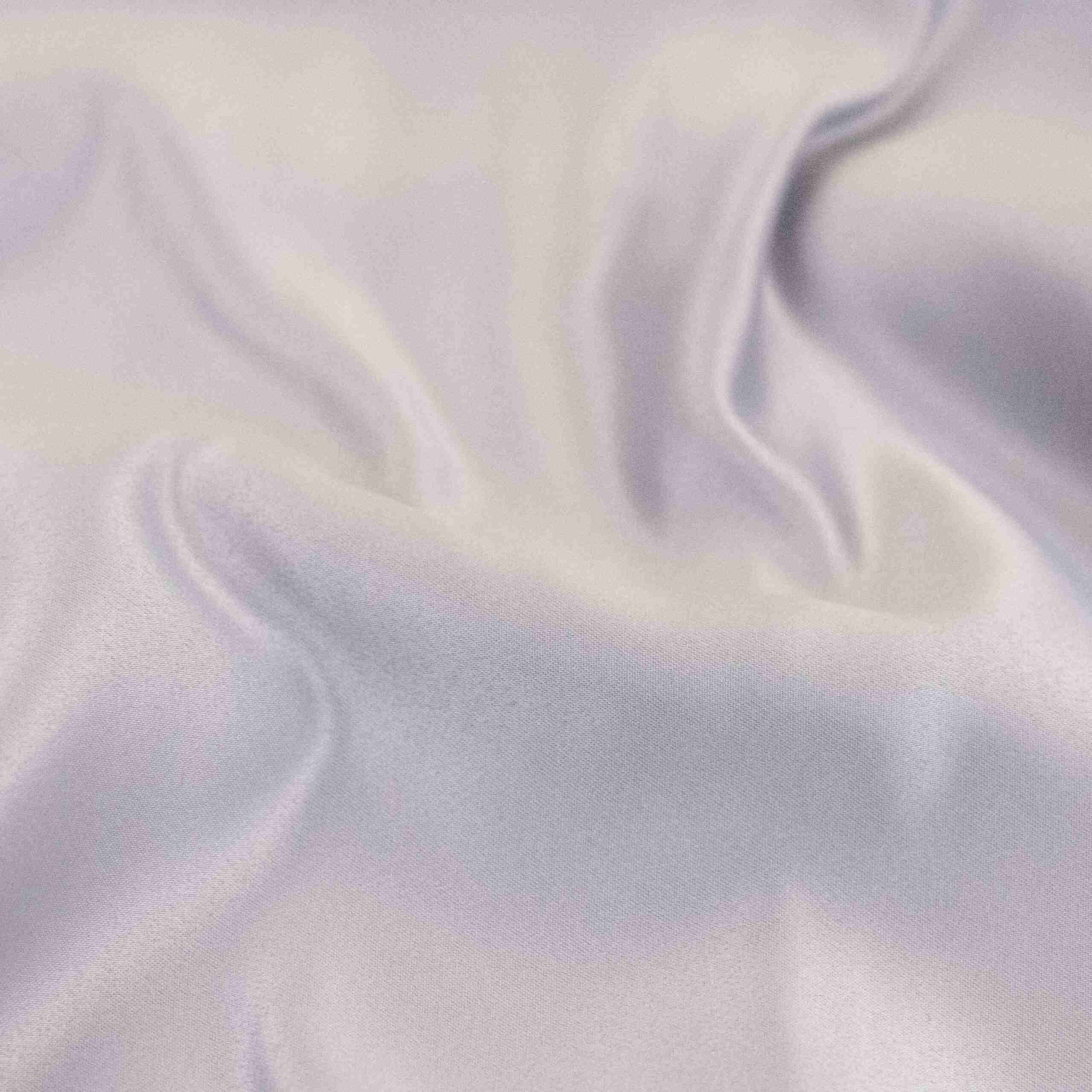

| Colors | 2936_10A, 2936_10B, 2936_11A, 2936_11B, 2936_12A, 2936_12B, 2936_13A, 2936_13B, 2936_14A, 2936_14B, 2936_15A, 2936_15B, 2936_18A, 2936_18B, 2936_1A, 2936_1B, 2936_20A, 2936_20B, 2936_21A, 2936_21B, 2936_22A, 2936_22B, 2936_24A, 2936_24B, 2936_25A, 2936_25B, 2936_27A, 2936_27B, 2936_2A, 2936_2B, 2936_3A, 2936_4A, 2936_4B, 2936_7A, 2936_7B, 2936_8A, 2936_8B, 2936_9A, 2936_9B, 2936_cat (1-7), 2936_cat (13-20), 2936_cat (21-27), 2936_cat (8-12), 2936_cat_ |
|---|
Be the first to review “SILVERTON BRIDAL SATIN (2936_21A)”
Related products
Plain Dyed
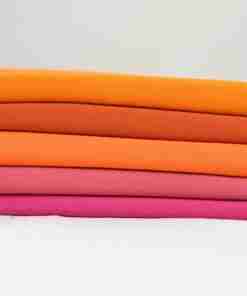
Satin is the label given to a weave rather than a specific raw material. Satin material is made from low-twist yarn using the twill weaving method.
Embossed
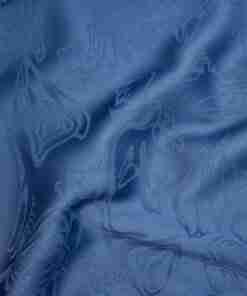
Embossing is the method of leaving a pattern on any cloth (or leather) by pressing it with a stamp or engraved rollers. Heat is generally used, and the fabric often includes a characteristic that aids in pattern retention; cotton, for example, is usually resin-coated.
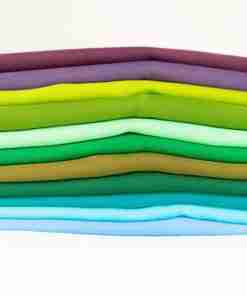
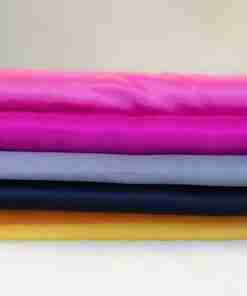
Plain Dyed
Satin is the label given to a weave rather than a specific raw material. Satin material is made from low-twist yarn using the twill weaving method.


Plain Dyed
Satin is the label given to a weave rather than a specific raw material. Satin material is made from low-twist yarn using the twill weaving method.

Plain Dyed

Embossed
Embossing is the method of leaving a pattern on any cloth (or leather) by pressing it with a stamp or engraved rollers. Heat is generally used, and the fabric often includes a characteristic that aids in pattern retention; cotton, for example, is usually resin-coated.
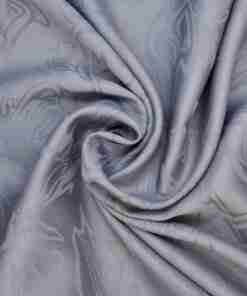
Embossed
Embossing is mainly utilized in nonwovens such as napkins, diapers, tissue papers, and so forth. Aside from that, it is also utilized in clothes such as T-shirts, giving the ensemble a highly fashionable appeal

Embossed
Embossing is the method of leaving a pattern on any cloth (or leather) by pressing it with a stamp or engraved rollers. Heat is generally used, and the fabric often includes a characteristic that aids in pattern retention; cotton, for example, is usually resin-coated.
Reviews
There are no reviews yet.