
| Colors | 2936_10A, 2936_10B, 2936_11A, 2936_11B, 2936_12A, 2936_12B, 2936_13A, 2936_13B, 2936_14A, 2936_14B, 2936_15A, 2936_15B, 2936_18A, 2936_18B, 2936_1A, 2936_1B, 2936_20A, 2936_20B, 2936_21A, 2936_21B, 2936_22A, 2936_22B, 2936_24A, 2936_24B, 2936_25A, 2936_25B, 2936_27A, 2936_27B, 2936_2A, 2936_2B, 2936_3A, 2936_4A, 2936_4B, 2936_7A, 2936_7B, 2936_8A, 2936_8B, 2936_9A, 2936_9B, 2936_cat (1-7), 2936_cat (13-20), 2936_cat (21-27), 2936_cat (8-12), 2936_cat_ |
|---|
Be the first to review “SILVERTON BRIDAL SATIN (2936_18A)”
Related products
Linen
Linen naturally keeps you warm during the winter, while its moisture-wicking qualities keep you fresh and cool in the summer. One of the most significant advantages of linen is that it is entirely antimicrobial.

Embossed
Embossing is the method of leaving a pattern on any cloth (or leather) by pressing it with a stamp or engraved rollers. Heat is generally used, and the fabric often includes a characteristic that aids in pattern retention; cotton, for example, is usually resin-coated.

Plain Dyed

Plain Dyed
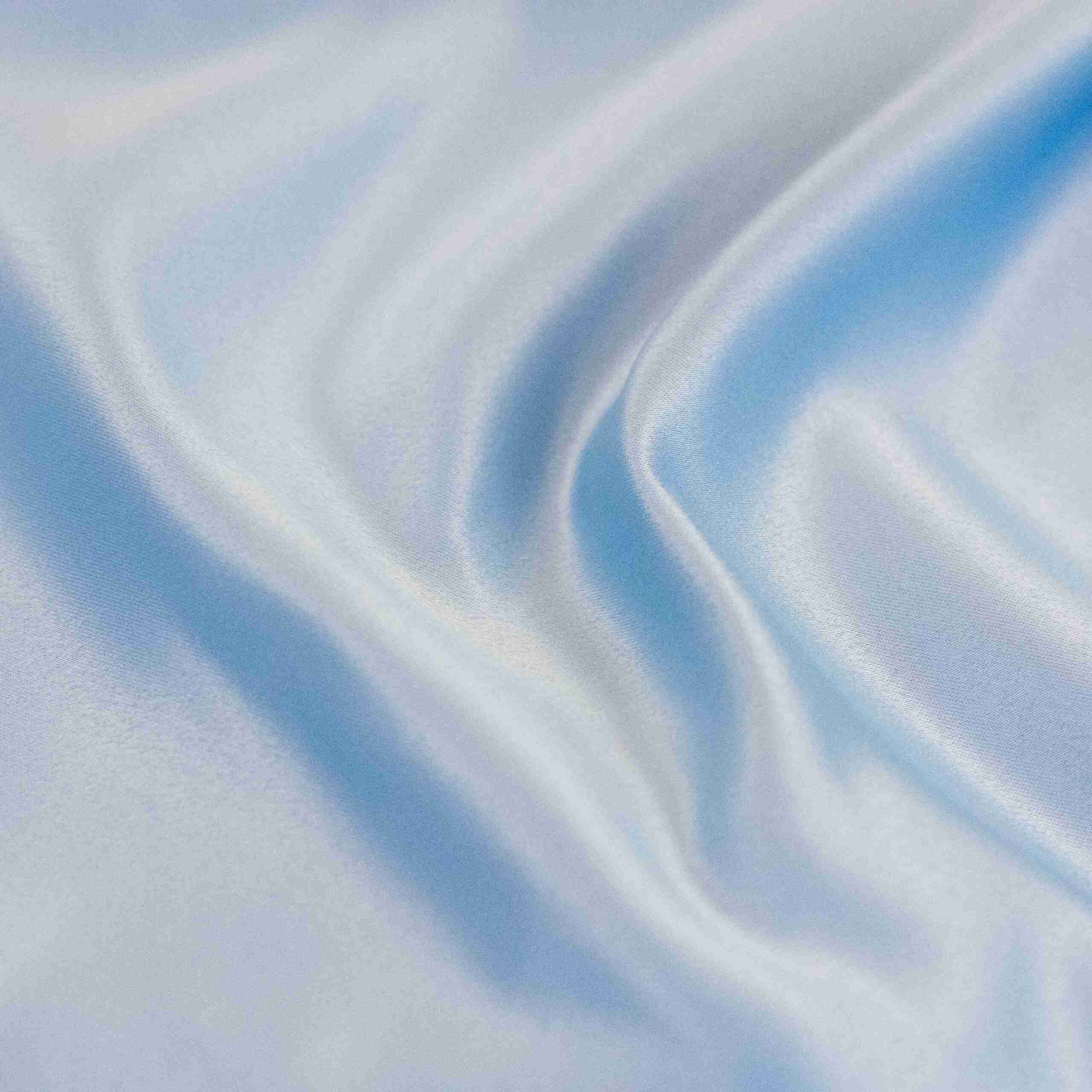
Satin is the label given to a weave rather than a specific raw material. Satin material is made from low-twist yarn using the twill weaving method.
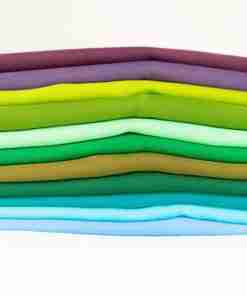
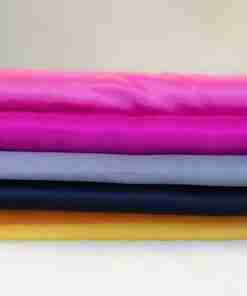
Plain Dyed
Satin is the label given to a weave rather than a specific raw material. Satin material is made from low-twist yarn using the twill weaving method.

Embossed
Embossing is the method of leaving a pattern on any cloth (or leather) by pressing it with a stamp or engraved rollers. Heat is generally used, and the fabric often includes a characteristic that aids in pattern retention; cotton, for example, is usually resin-coated.
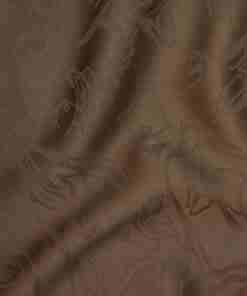
Embossed
Embossing is the method of leaving a pattern on any cloth (or leather) by pressing it with a stamp or engraved rollers. Heat is generally used, and the fabric often includes a characteristic that aids in pattern retention; cotton, for example, is usually resin-coated.
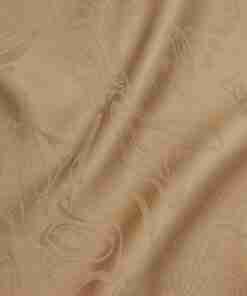
Embossed
Embossing is the method of leaving a pattern on any cloth (or leather) by pressing it with a stamp or engraved rollers. Heat is generally used, and the fabric often includes a characteristic that aids in pattern retention; cotton, for example, is usually resin-coated.
Reviews
There are no reviews yet.